
Background Information About Israel
Small Group Tours in Israel for Faith, History and Culture
Holyland Private Tours By Ofir Horn
Small Group Tours in Israel for Faith, History and Culture
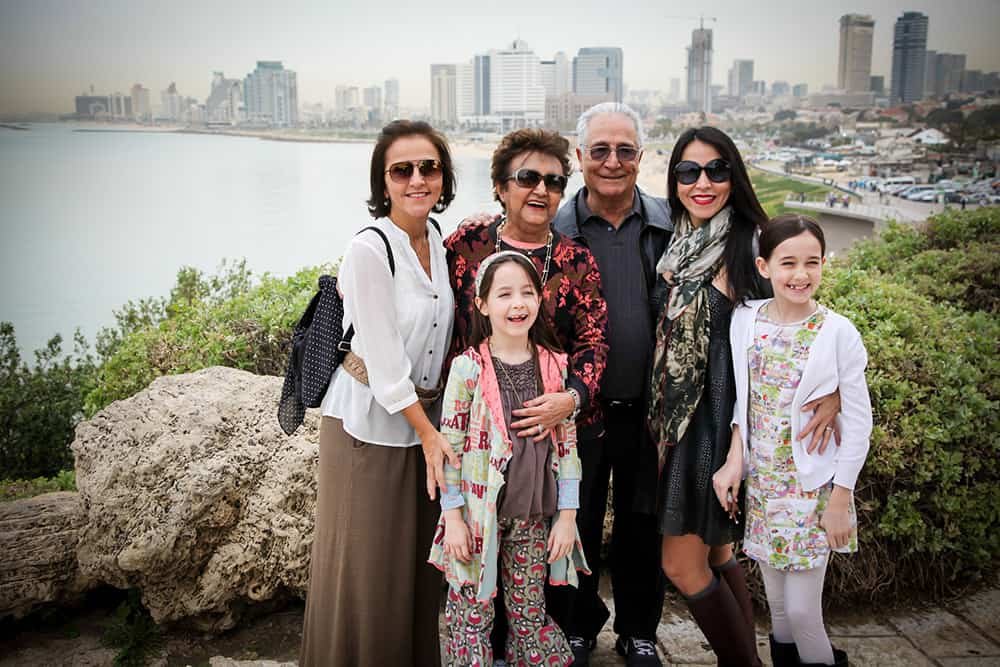
Group Tours Israel with Expert Local Guides
Discover the beauty, history, and spiritual significance of Israel through professionally guided Group Tours Israel designed for travelers who enjoy exploring alongside like-minded people. Whether you are visiting for religious, cultural, historical, or educational purposes, our Israel Group Tours provide an enriching and memorable experience across the country’s most iconic destinations.
Traveling as part of a group offers a unique opportunity to share experiences, build friendships, and gain deeper insights into Israel’s remarkable heritage. Our knowledgeable local guides bring the stories of the Holy Land to life while ensuring a smooth, organized, and enjoyable journey from start to finish.
Explore Israel’s Most Important Destinations
Our Group Tours Israel visit many of the country’s most significant attractions, including Jerusalem, Bethlehem, Nazareth, Galilee, the Dead Sea, Masada, Tel Aviv, Caesarea, and Haifa. Each destination offers its own unique blend of history, faith, archaeology, and culture.
Walk through the ancient streets of Jerusalem’s Old City, visit the Church of the Nativity in Bethlehem, experience the peaceful shores of the Sea of Galilee, and float in the mineral-rich waters of the Dead Sea. Along the way, you’ll gain valuable insights from experienced guides who are passionate about sharing Israel’s fascinating story.
Why Choose Small Group Tours Israel?
Small Group Tours Israel provide a perfect balance between affordability and personalized attention. Smaller groups allow for greater flexibility, easier access to attractions, and more meaningful interactions with your guide.
Benefits of joining our guided group tours include:
- Professional licensed local guides
- Carefully planned itineraries
- Comfortable transportation
- Access to major historical and religious sites
- Opportunities to meet fellow travelers
- Stress-free travel planning
Whether you are traveling solo, with friends, or as part of an organized group, our tours are designed to provide a seamless and enjoyable experience.
Perfect for Faith-Based and Cultural Travelers
Our Holy Land Group Tours are particularly popular among Christian pilgrims, church groups, educational organizations, and travelers seeking a deeper understanding of Israel’s religious and historical significance. However, our itineraries also appeal to history enthusiasts, families, and cultural explorers who want to experience the diverse landscapes and traditions that make Israel unique.
Join an Unforgettable Israel Group Tour
From ancient biblical landmarks to vibrant modern cities, Israel offers extraordinary experiences for every traveler. Our expertly guided Israel Group Tours combine convenience, knowledge, and authentic local experiences to help you make the most of your visit.
Contact us today to learn more about upcoming departures and find the Group Tours Israel experience that best matches your interests and travel goals.
Explore the Holy Land with a Private Tour Guide Israel
Holyland Private Tours By Ofir Horn
Explore the Holy Land with a Private Tour Guide Israel

Just like You want it
When you take a private tour you:
- Maximize your time – your time is precious and should be spent wisely.
- Visit the places you wish – a private tour focuses on your interests.
- Travel at your own pace and can make changes on the go.
- Enjoy the best of all worlds – travel in comfort, skip lines and enjoy VIP treatment.
A private tour is the best way to see the land of Israel. Group tours may be fun, especially if you enjoy socializing, but you are ever dependent on the other tourists’ needs and interests. A great deal of time and energy is spent on trying to accommodate everyone, you’re just one of another fifty tourists. Tour guides also need to comply with the organizers, who have understandable agendas of their own.
the private tour is best suited to your own needs and desires.
Tailor Made Tour
Our tours being tailored to small groups, such as a family or a small group of cruise passengers. Private tours are also ideal for business executives with tight

schedules. When business takes precedence, a private tour lets you make the most of the little free time left over to enjoy this country, which has so much to see and savor.
Public transportation in Israel is good, but routes do not reach every destination, and you are dependent on travel schedules, and on unforeseen delays. On a large group tour, you are still dependent on other travelers.
A private tour promises you an optimal way of touring the country. Independent of any external obligations, you are free to craft a journey that perfectly suits your wishes, requirements and pace.
When you contact and book with us, we will help you to plan an itinerary that is centered on your own expectations. We have many sample routes to give you an idea of the possibilities. These itineraries can be specifically made to suit you. We plan your schedule in a meticulous manner, taking your trip logistics into account and managing overall quality, while still affording you control of every step of the process. Explanations are suited to you alone, providing you with pertinent information for your Israel tour. You will enjoy the highest of touring expertise with Holy Land Private Tours.
Our Guides
You will travel with experienced and highly professional tour guide, in one of many available top-quality touring vehicles. Merging comfort with practicality, you gain the highest standard of touristic transportation you could desire. Your vehicle and driver are adapted to group size, and available to you throughout your journey. The route will be smooth and convenient, and any unexpected hitches will be dealt with in an efficient and timely manner. Your driver and guide are completely attuned to you alone for the entire duration of your private tour.
Planning a Trip to Israel
Holyland Private Tours By Ofir Horn
Planning a Trip to Israel

Amongst the many options open to you when you decide to book a private tour in the Holy Land, we highly recommend the VIP package. It boasts a first class service and is specifically built with small groups in mind, such as families looking to maximize the comfort element of their vacation, shore excursion travelers who have precious little time in the country and businessmen who are interested in adding exhilarating experiences to their trip, to name but a few.
The VIP Israel tours include the very best that this land has to offer, including luxurious accommodation, deluxe transport vehicles, gourmet restaurants, the finest spas available and much more. All this will be arranged with the intention of turning your holiday into a fully pampering retreat, leaving you free to rest, relax and explore the land. And as always, your itinerary during the journey will be customized to fit your specific needs, requirements and wishes in order to guarantee one hundred percent satisfaction.
Planning any trip requires quite a lot of thought, organization and familiarity with the land you’re about to travel to as well as knowing how to meet your goals through the best decision making possible. It’s for this reason that in the following page you can find helpful tips and pointers on how to best plan your journey through Israel and maximize your enjoyment during your stay.
When booking a private tour, naturally all arrangements are made for you and the trip’s itinerary will be customized to suit you specifically and your needs and wishes. These points for thought will help you point out to your private tour guide what aspects of the country you’d like to explore together and in what ways.
Which time of the year are you counting on for your tour in Israel?
There are marked differences between visiting Israel during the summer versus during the winter time in terms of weather and optimal ways of having a good time during each season. Holy Land Private Tours can attune your trip accordingly and will always be at your service, no matter what time of year you come or by which means you plan to travel, whether by air, sea or land.
Who are the travelers?
The trip can best be planned when taking into account the identity of the group of travelers coming: how many will they be and of what age or ages? Are there any participants with special requirements or interests?
How do you prefer to tour the land?
Israel is a small country, relatively speaking, yet transportation can always be tricky. Despite the short distances, you’ll find that you are crossing three different climate zones and decidedly different geographic conditions. This is why means of transport matter so much and you get to decide how it best suits you to travel.
Where would you prefer to stay?
At Holy Land Private Tours, all you need to do is state what is your preferred means of accommodation in order for us to get the best rates for you with minimal need for your involvement. However, if it is your preference to take care of this part of your trip by yourself, we could recommend the hotels that would best serve your need when taking into consideration your itinerary and budget.
What are the sites that you would want to visit?
You can use the many itineraries, specialty offers and traveling suggestions on this site to get an idea of what the places that you would prefer seeing in Israel are and which kind of trip you would like. By letting Holy Land Private Tours know what these are, your itinerary can be constructed specifically for you, with all of your wishes in mind, to optimize your time here and make sure you see all the sites you would like to visit in the best possible way.
What’s my first step in making my dream of a trip to Israel a reality?
Providing you with all of our knowledge, experience and information, we are always at your service. You can simply use the contact option available on this site and give whatever initial info you have on when you are coming and what you’d like to see and we will assist you in everything, step by step into order to turn your dream into a spectacular reality.